
Suspected refrigerant loss
We assess the cause and recommend a practical route to restore dependable performance.
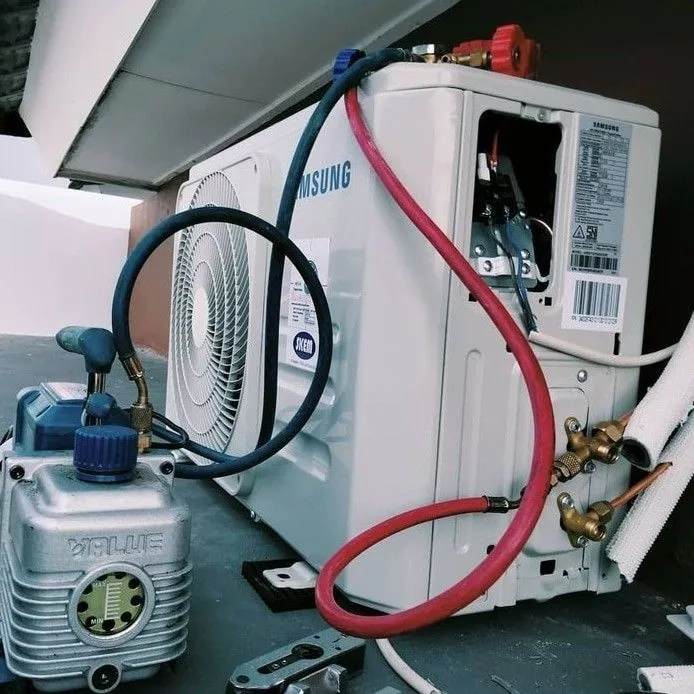
We investigate refrigerant leaks, repair faults in the cooling circuit and recharge systems with the appropriate refrigerant after testing. Get a lasting solution—not just another temporary top-up.
Tell us what needs attention. We’ll send your request to our service inbox and confirm it by email. For urgent assistance, call 070 332 5672.
Prefer to speak to us? Call 070 332 5672
REFRIGERATION SPECIALISTS · SERVICE INFORMATION
We work through reported problems with refrigeration circuits and sealed cooling systems systematically. Customers commonly contact us about weak cooling, suspected refrigerant loss and recurrent low-pressure symptoms. Instead of prescribing a part before inspection, we identify the operating symptoms, check accessible conditions and explain the repair options that follow from the findings. Across Gauteng, the most useful service request identifies the system type, fault symptoms and any impact on stored goods or operations.
Our assessment considers leak evidence, pipework joints, system history, pressures, airflow and manufacturer refrigerant specifications. These checks help distinguish a failed component from an operating-condition problem. We ask when the fault started, whether cooling gradually deteriorated or stopped suddenly, and what work has previously been done. The answers can highlight intermittent faults and save time during inspection.
Potential causes include damaged pipework, corroded connections, failed fittings, airflow faults mistaken for a low charge and prior poor repairs. Similar symptoms can have different underlying causes; for example, a warm cabinet may have a door-closure issue, a fan fault or a sealed-system problem. We test the likely cause before deciding whether cleaning, adjustment, an electrical repair, component replacement or specialist system work is necessary.
We compare the nature of the fault with the age and overall condition of the refrigeration circuits and sealed cooling systems, component availability and the effect of another outage. A minor control or airflow defect can have a very different repair decision from extensive damage to a refrigeration circuit. We explain the condition found, the work proposed and any uncertainty that only further tests can resolve.
Where an installation is no longer suitable for the heat load or operating environment, a repair alone may not resolve repeated performance complaints. For commercial customers, we also consider access for maintenance, product loading, ventilation and whether the operating pattern has changed since the system was installed.
We assess why cooling has deteriorated before recommending recovery, leak repair, evacuation, charging or another corrective action.
Refrigerant is not normally consumed during operation. Repeated refilling without finding and fixing a leak is not a durable solution. Do not defeat electrical protection devices, puncture pipework or attempt unqualified refrigerant handling. Photos of the equipment nameplate, error display and installation location help us understand the enquiry, but they do not replace diagnosis.
Tell us the equipment brand and model where available, its approximate size, the current and desired temperatures, and whether the issue is intermittent. For a Gauteng visit, also share the site address, safe access requirements and suitable contact person. If the business depends on continuous cooling, tell us which operation is affected so we can discuss practical priorities before any appointment is confirmed.
Related service information: Fridge repairs · Commercial fridge repairs · Refrigerant gas management in gauteng
We help businesses address refrigerant-related faults responsibly, with attention to both cooling performance and the condition of the system.
Our work begins with fault assessment. We consider leaks, components, appropriate refrigerant type and the manufacturer’s requirements before undertaking any refrigerant-related service.
We assess the cause and recommend a practical route to restore dependable performance.
We assess the cause and recommend a practical route to restore dependable performance.
We assess the cause and recommend a practical route to restore dependable performance.
We assess the cause and recommend a practical route to restore dependable performance.
We start by understanding the symptoms and how the equipment is used. We check the relevant components, explain what needs attention and discuss the repair before proceeding. If installation or replacement is the more sensible option, we explain why.
We aim to leave you with an operating system you understand and a clear view of any maintenance that may help avoid repeat faults.
Explore local refrigeration service information across major commercial, industrial and residential areas.
Tell us about your equipment and the problem you're experiencing.
We assess the equipment, the fault and the operational requirements together. The following guidance explains how we approach service decisions and what customers can prepare before requesting assistance.
For Gauteng customers operating commercial sites with varied refrigeration duty and access constraints, repair verification can be as important as the fault first noticed on the temperature display. We distinguish the operating conditions from component failure before recommending a practical next step. In particular, charge verification may change the interpretation of a complaint that initially sounds straightforward.
Consider how superheat readings affects the same system: it may alter cooling performance without producing an obvious single-component fault. This is why we ask for the equipment type, the timing of the problem and the site conditions. We do not treat every warm cabinet, frozen evaporator or alarm as proof that refrigerant is low.
For Gauteng customers operating commercial sites with varied refrigeration duty and access constraints, safe handling can be as important as the fault first noticed on the temperature display. We distinguish the operating conditions from component failure before recommending a practical next step. In particular, system tightness may change the interpretation of a complaint that initially sounds straightforward.
Where safe handling and system tightness are both possible, the correct investigation depends on the system configuration and the observations available on site. We avoid recommending unnecessary gas charging, component replacement or electrical adjustment without supporting evidence. Any suspected refrigerant loss requires leak investigation and the correct legal and technical handling.
For Gauteng customers operating commercial sites with varied refrigeration duty and access constraints, charge verification can be as important as the fault first noticed on the temperature display. We distinguish the operating conditions from component failure before recommending a practical next step. In particular, superheat readings may change the interpretation of a complaint that initially sounds straightforward.
Consider how repair verification affects the same system: it may alter cooling performance without producing an obvious single-component fault. This is why we ask for the equipment type, the timing of the problem and the site conditions. We do not treat every warm cabinet, frozen evaporator or alarm as proof that refrigerant is low.
For Gauteng customers operating commercial sites with varied refrigeration duty and access constraints, system tightness can be as important as the fault first noticed on the temperature display. We distinguish the operating conditions from component failure before recommending a practical next step. In particular, refrigerant compatibility may change the interpretation of a complaint that initially sounds straightforward.
Where system tightness and refrigerant compatibility are both possible, the correct investigation depends on the system configuration and the observations available on site. We avoid recommending unnecessary gas charging, component replacement or electrical adjustment without supporting evidence. Any suspected refrigerant loss requires leak investigation and the correct legal and technical handling.
For Gauteng customers operating commercial sites with varied refrigeration duty and access constraints, superheat readings can be as important as the fault first noticed on the temperature display. We distinguish the operating conditions from component failure before recommending a practical next step. In particular, repair verification may change the interpretation of a complaint that initially sounds straightforward.
Consider how charge verification affects the same system: it may alter cooling performance without producing an obvious single-component fault. This is why we ask for the equipment type, the timing of the problem and the site conditions. We do not treat every warm cabinet, frozen evaporator or alarm as proof that refrigerant is low.
For Gauteng customers operating commercial sites with varied refrigeration duty and access constraints, refrigerant compatibility can be as important as the fault first noticed on the temperature display. We distinguish the operating conditions from component failure before recommending a practical next step. In particular, safe handling may change the interpretation of a complaint that initially sounds straightforward.
Where refrigerant compatibility and safe handling are both possible, the correct investigation depends on the system configuration and the observations available on site. We avoid recommending unnecessary gas charging, component replacement or electrical adjustment without supporting evidence. Any suspected refrigerant loss requires leak investigation and the correct legal and technical handling.