
Process temperatures outside tolerance
We assess the cause and recommend a practical route to restore dependable performance.
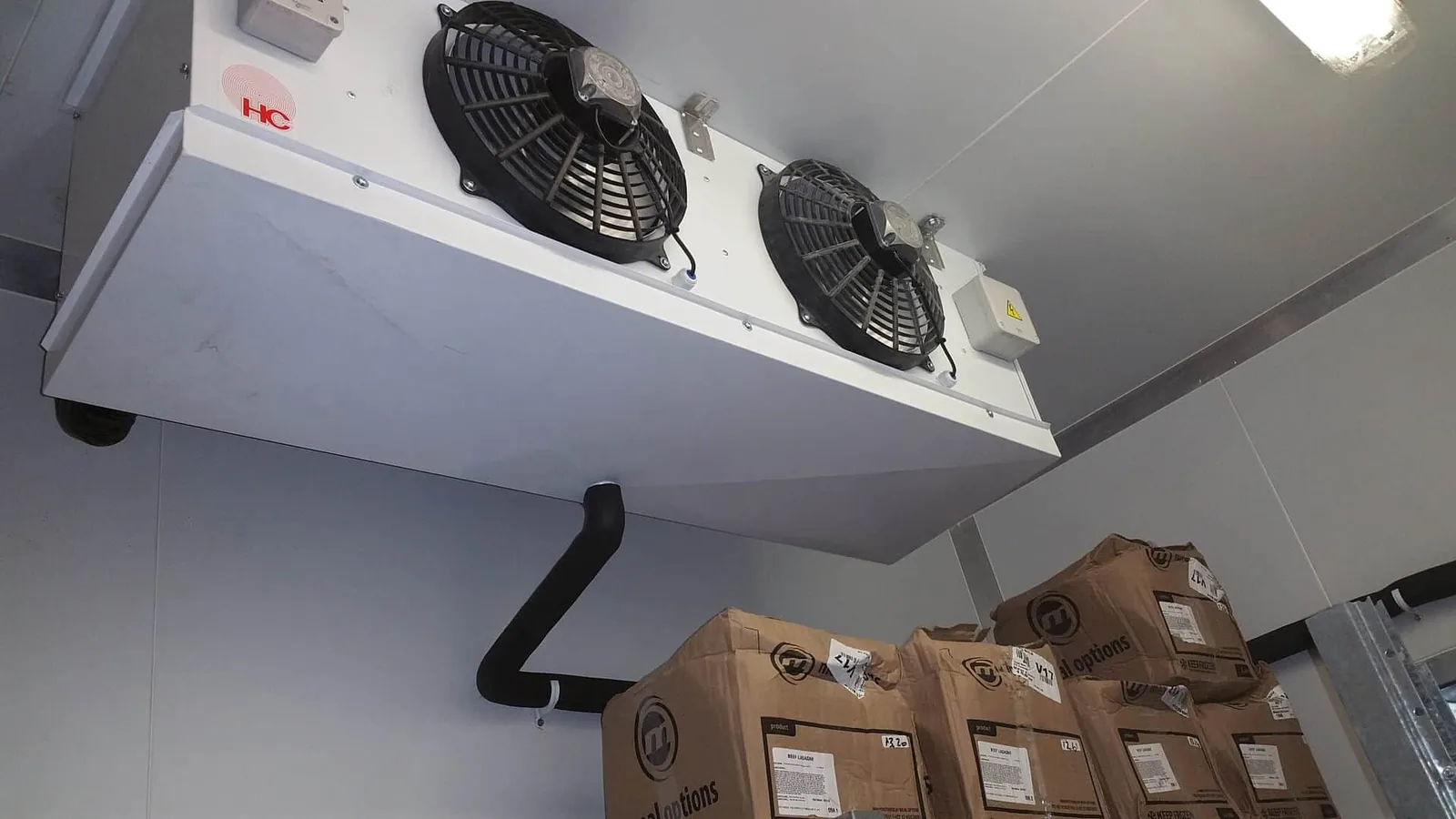
We repair and service commercial and industrial chillers, tackling circulation faults, cooling failures, system alarms and compressor problems to help get your equipment back into operation.
Tell us what needs attention. We’ll send your request to our service inbox and confirm it by email. For urgent assistance, call 070 332 5672.
Prefer to speak to us? Call 070 332 5672
We work with process chillers where unstable cooling can affect equipment, productivity and operating schedules.
We assess process demand, heat rejection, controls and refrigeration capacity together. We coordinate service recommendations around safe access and the operating requirements of the plant.
We assess the cause and recommend a practical route to restore dependable performance.
We assess the cause and recommend a practical route to restore dependable performance.
We assess the cause and recommend a practical route to restore dependable performance.
We assess the cause and recommend a practical route to restore dependable performance.
We start by understanding the symptoms and how the equipment is used. We check the relevant components, explain what needs attention and discuss the repair before proceeding. If installation or replacement is the more sensible option, we explain why.
We aim to leave you with an operating system you understand and a clear view of any maintenance that may help avoid repeat faults.
Explore local refrigeration service information across major commercial, industrial and residential areas.
We approach this service by understanding the equipment, its operating environment and the exact fault before recommending work. The following guidance explains the checks and decisions relevant to this specific service.
An industrial chiller is part of a wider production system. We first ask what equipment uses the chilled liquid, the supply and return setpoints and how production conditions affect heat load. A system that meets temperature at idle but fails during production may need a different investigation from one that cannot start at all.
When requesting assistance with define the process before changing the machine, describe what changed, when it started and which part of the equipment is affected. We can use those details to decide what information to review during diagnosis, without promising that a single symptom identifies the failed part.
Multiple compressors or staged capacity controls may be designed to respond gradually to changes in demand. A unit that stays at low capacity may have sensor, valve, sequencing or protection issues. We check command signals and actual system response before proposing compressor replacement.
When requesting assistance with compressor sequencing under changing loads, describe what changed, when it started and which part of the equipment is affected. We can use those details to decide what information to review during diagnosis, without promising that a single symptom identifies the failed part.
Too little circulation or unsuitable fluid concentration can create local freezing risks even when the controller displays an acceptable average temperature. Protection settings, strainers, pumps and antifreeze suitability must be considered together. We avoid bypassing freeze switches to force continued operation.
When requesting assistance with freezing risk in process circuits, describe what changed, when it started and which part of the equipment is affected. We can use those details to decide what information to review during diagnosis, without promising that a single symptom identifies the failed part.
A plate or shell-and-tube exchanger can lose performance because of scale, particulate contamination or unsuitable fluid maintenance. Differential pressure and temperature measurements help distinguish fouling from insufficient refrigeration capacity. Cleaning methods should be selected for the material and fluid, not applied indiscriminately.
When requesting assistance with heat exchangers and fouling, describe what changed, when it started and which part of the equipment is affected. We can use those details to decide what information to review during diagnosis, without promising that a single symptom identifies the failed part.
High condenser temperature can stem from restricted air, tower operation, insufficient water movement or environmental conditions. Industrial chillers may serve processes that run continuously, so condenser condition deserves attention even when faults appear only during hot periods. We consider the full heat-rejection path.
When requesting assistance with condenser-side reliability, describe what changed, when it started and which part of the equipment is affected. We can use those details to decide what information to review during diagnosis, without promising that a single symptom identifies the failed part.
An alarm in the refrigeration controller may follow a power disturbance, failed contactor or communication issue with building automation. We discuss authorised isolation and site-specific safety requirements before troubleshooting electrical panels. Site logs and alarm histories are often more useful than repeated trial restarts.
When requesting assistance with electrical and automation interactions, describe what changed, when it started and which part of the equipment is affected. We can use those details to decide what information to review during diagnosis, without promising that a single symptom identifies the failed part.
Where the process cannot stop easily, repair planning must consider safe shutdown, temporary capacity and product protection. We ask about allowable downtime, critical operating temperatures and other plant dependencies. These are decisions to make with the operator, not assumptions a refrigeration contractor can make alone.
When requesting assistance with downtime and staged repairs, describe what changed, when it started and which part of the equipment is affected. We can use those details to decide what information to review during diagnosis, without promising that a single symptom identifies the failed part.
Operating logs, water-treatment records, maintenance history and previous component changes help reveal recurring causes. We encourage documenting measured conditions before and after a repair so that a genuine improvement can be verified rather than inferred from equipment merely restarting.
When requesting assistance with records that support durable repairs, describe what changed, when it started and which part of the equipment is affected. We can use those details to decide what information to review during diagnosis, without promising that a single symptom identifies the failed part.
Some plants use duty and standby chillers, while others depend on a single cooling circuit. This distinction affects how faults can be investigated and whether repair can be scheduled around production. We ask about installed redundancy and whether the standby system has been tested. A spare unit is only useful if valves, pumps and controls allow it to take the intended load safely.
When requesting assistance with when redundancy changes the repair approach, describe what changed, when it started and which part of the equipment is affected. We can use those details to decide what information to review during diagnosis, without promising that a single symptom identifies the failed part.
Process equipment may require a tighter temperature band than comfort air conditioning. Poor sensor placement, control hunting or badly coordinated staging can cause oscillating temperatures even if the chiller has sufficient nominal capacity. We examine operating trends and the process response before adjusting settings. Improvised changes can transfer instability from the chiller into downstream production equipment.
When requesting assistance with matching controls to process stability, describe what changed, when it started and which part of the equipment is affected. We can use those details to decide what information to review during diagnosis, without promising that a single symptom identifies the failed part.
Fluid type and concentration influence freezing protection, pumping effort and heat exchange. Changes to the mixture, contamination or neglected water treatment can cause symptoms that resemble compressor trouble. Site records and safe sampling procedures guide this review. We avoid proposing a universal concentration because different processes and temperatures require different specifications.
When requesting assistance with glycol and fluid-condition checks, describe what changed, when it started and which part of the equipment is affected. We can use those details to decide what information to review during diagnosis, without promising that a single symptom identifies the failed part.
A chiller that starts again after a repair is not automatically capable of meeting its full process duty. Verification may require observation across load stages, review of alarms and comparison with agreed operating limits. We discuss appropriate monitoring with the operator and avoid guaranteeing a performance outcome without defined design conditions and measurements.
When requesting assistance with verifying sustained performance, describe what changed, when it started and which part of the equipment is affected. We can use those details to decide what information to review during diagnosis, without promising that a single symptom identifies the failed part.
The right repair decision considers the chiller together with the process it supports. A unit may appear capable at low load yet struggle at peak production because flow, heat transfer or capacity staging has changed. We ask which setpoints and operating limits matter to the product, what faults appear in the alarm log and how pumps, valves or bypasses are arranged. Site permits and safe electrical isolation are essential before work on pressure-bearing or powered equipment. Once repairs are complete, the system should be evaluated under meaningful process conditions when practical. We encourage written records of measurements and any outstanding limitations rather than declaring long-term reliability from a single successful restart.
Process water quality, treatment history and maintenance frequency can materially affect heat transfer and equipment longevity. A technician should understand the materials and process requirements before recommending cleaning or fluid replacement. After work, site personnel should record actual load conditions, alarms and temperature trends so that any residual problem is visible instead of obscured by a brief test at low production demand.
We encourage a clearly documented service outcome: the reported symptom, measured observations, parts or adjustments involved, remaining concerns and sensible follow-up checks. That gives the equipment owner a useful record for future maintenance decisions and helps distinguish a recurring problem from an unrelated new fault.
We handle chiller enquiries in Gauteng by starting with the equipment, its role and the reported symptom—not with a preselected replacement part. A complaint such as “not getting cold” can involve airflow, controls, heat rejection, power supply or refrigerant-circuit performance. We want to understand what changed, when it changed, and how the system behaved beforehand.
For commercial buildings in Gauteng, the practical priority is often to understand whether temperature control has failed entirely or whether performance has declined under a particular operating load. We consider that distinction when discussing repair options. A technician may need to inspect the installation and measure relevant conditions before identifying the cause.
We recommend preparing the model number, any fault codes, operating temperature and a description of recent changes. This helps us plan the correct chiller assessment and avoids promising a repair outcome before inspection.
When customers in Gauteng report poor leaving-water temperature under peak demand, we do not assume a single cause. Cooling demand changes with production cycles, inlet water temperature and equipment utilisation. A meaningful fault assessment starts with the process requirements and the trend that preceded the alarm. The interpretation depends on equipment design, usage and the information available at inspection.
Our assessment of process demand and operating load also considers what happened immediately before the fault appeared. Changes in stock loading, cleaning routines, electrical supply or operating hours can help distinguish an intermittent fault from a persistent mechanical issue. We explain which observations are useful and which conclusions require measurement.
After corrective work, performance should be checked under relevant conditions. We explain what the customer can monitor afterward—for example, temperature trends, unusual noise, recurring alarms or door performance—so a continuing issue is identified promptly.
When customers in Gauteng report intermittent pump or sensor faults, we do not assume a single cause. Restricted strainers, failing pumps or insufficient flow can create low-temperature protection trips. We review flow indication, available strainers, pump behaviour and safe isolation requirements. The interpretation depends on equipment design, usage and the information available at inspection.
Our assessment of circulation and differential pressure also considers what happened immediately before the fault appeared. Changes in stock loading, cleaning routines, electrical supply or operating hours can help distinguish an intermittent fault from a persistent mechanical issue. We explain which observations are useful and which conclusions require measurement.
When customers in Gauteng report high-pressure shutdowns during heavy production, we do not assume a single cause. Air-cooled condenser fouling and water-cooled heat rejection problems must be investigated differently. We check installation environment, airflow or water-side conditions and the equipment control sequence. The interpretation depends on equipment design, usage and the information available at inspection.
Our assessment of condenser heat rejection also considers what happened immediately before the fault appeared. Changes in stock loading, cleaning routines, electrical supply or operating hours can help distinguish an intermittent fault from a persistent mechanical issue. We explain which observations are useful and which conclusions require measurement.
When customers in Gauteng report low-flow alarms after process changes, we do not assume a single cause. Resetting a trip without understanding its cause can create recurring interruptions. We capture alarm histories, sensor readings and start-stop sequences before determining next steps. The interpretation depends on equipment design, usage and the information available at inspection.
Our assessment of controls and protection alarms also considers what happened immediately before the fault appeared. Changes in stock loading, cleaning routines, electrical supply or operating hours can help distinguish an intermittent fault from a persistent mechanical issue. We explain which observations are useful and which conclusions require measurement.
When customers in Gauteng report poor leaving-water temperature under peak demand, we do not assume a single cause. Poor circulation through an evaporator can leave a chiller vulnerable to freezing even when the refrigeration circuit is operating. We assess protective controls and load conditions. The interpretation depends on equipment design, usage and the information available at inspection.
Our assessment of heat exchangers and freezing risk also considers what happened immediately before the fault appeared. Changes in stock loading, cleaning routines, electrical supply or operating hours can help distinguish an intermittent fault from a persistent mechanical issue. We explain which observations are useful and which conclusions require measurement.
We ask customers to describe the equipment and its setting. A chiller fault in a equipment rooms may have a different impact from a similar symptom in a production facilities. Information about product type, equipment age, accessibility and whether the unit is completely out of service helps us understand the enquiry.
Use the booking form above to outline your requirements. You can also call or send a WhatsApp message to 070 332 5672. A service request is an enquiry until it has been received and confirmed.
We recommend matching routine maintenance to the type of system, its usage and the manufacturer’s instructions. In process plants, predictable cooling matters because even a short interruption may disrupt operations. The appropriate tasks and frequency depend on actual equipment rather than a blanket interval quoted for every installation.
Useful maintenance records include temperature trends, alarm history, abnormal noise, condenser cleaning, door condition, drainage and previous repairs. Those records help identify whether a repeated shutdown is an unresolved fault or a new issue.
We work with commercial and process chillers for offices, facilities, production sites and chilled-water systems. If you are dealing with high-pressure trips, low-flow alarms, loss of cooling capacity or control faults, contact our team and explain what is happening. We'll discuss a practical way forward based on the equipment, the site and the fault.
We begin with what the equipment is doing now: temperature readings, start and stop behaviour, alarms, airflow and any recent changes. We examine the components linked to those symptoms so the proposed repair addresses the cause.
We discuss the findings and the work required, including whether servicing, part replacement or a wider repair is appropriate. When components need sourcing or the equipment needs further testing, we explain those steps before moving ahead.
Following agreed work, we check the relevant operation and controls. Cooling recovery can take time, particularly when stock, doors and room conditions affect the load, so we explain what to monitor after our visit.
Provide the make, model, error codes, supply and return temperatures, and whether the fault appears on startup or after running.
Yes. We can review your equipment and operating conditions before discussing a suitable inspection and maintenance scope.
Tell us your equipment, the problem and your location. We'll help you arrange the next step.
Tell us about your equipment and the problem you're experiencing.