
We find the fault
We begin with what the equipment is doing now: temperature readings, start and stop behaviour, alarms, airflow and any recent changes. We examine the components linked to those symptoms so the proposed repair addresses the cause.
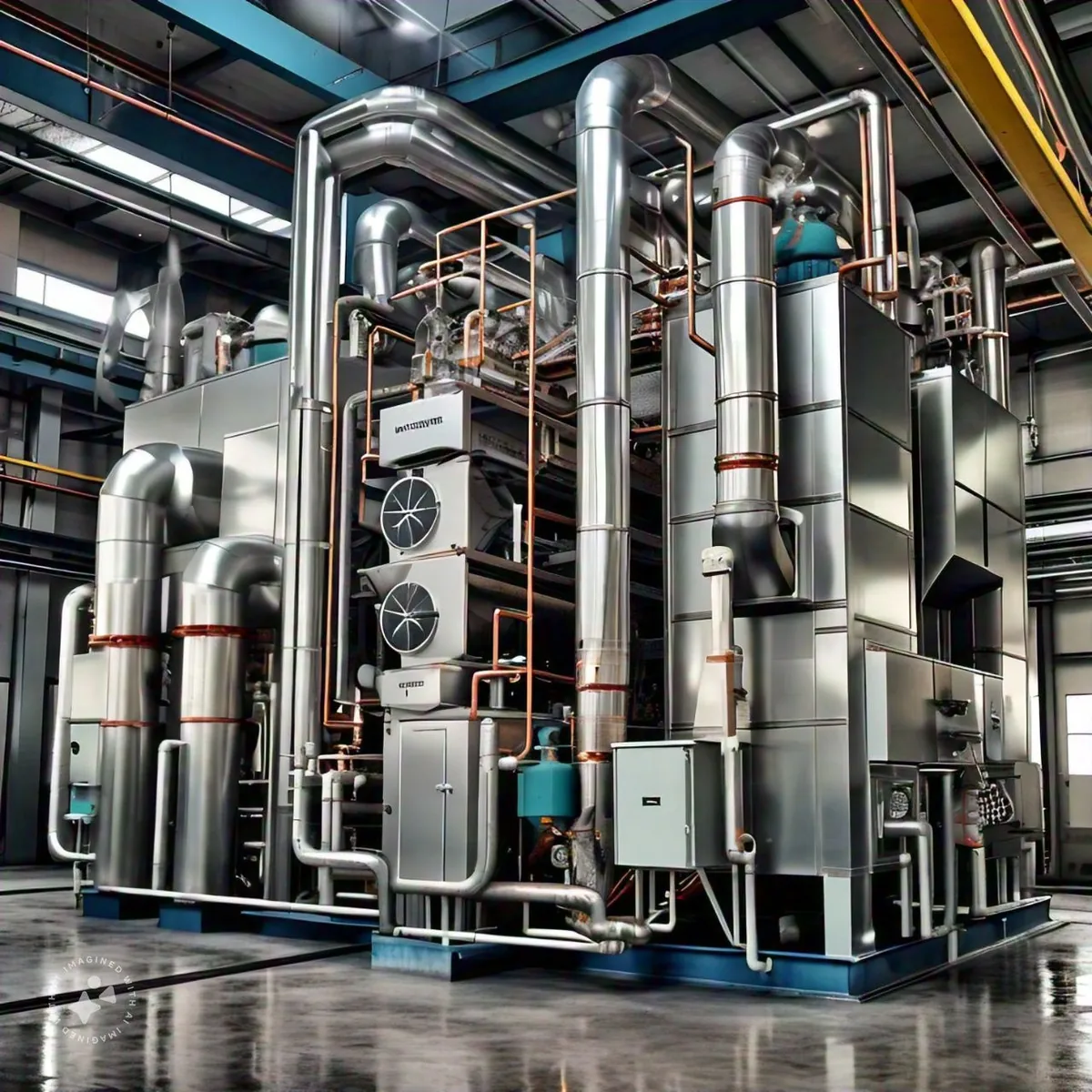
We provide refrigeration repairs, installations and maintenance for businesses and households across Gauteng. Speak directly with us about the equipment, the fault and the service you need.
Tell us what needs attention. We’ll send your request to our service inbox and confirm it by email. For urgent assistance, call 070 332 5672.
Prefer to speak to us? Call 070 332 5672
Reliable cooling requires the right diagnosis for the equipment, its workload and the reported fault. We help customers identify an appropriate service enquiry pathway.
An intermittent shutdown, gradual temperature increase and a sudden electrical trip are not interchangeable symptoms. The timing and operating circumstances matter.
Tell us what equipment is installed, what temperature it should maintain and what changed before the issue appeared.
A responsible inspection considers power, controls, airflow, heat transfer and sealed-system performance as appropriate, not just a single component.
For businesses, preserving temperature records and responding to alarms can help protect stock while the repair is assessed.
Building use influences the service approach: a household refrigerator, a retail display cabinet and a walk-in cold room should not share an assumed diagnosis.
Provide the equipment location within the property and whether staff can safely access the outdoor or condensing equipment.
When you contact us about refrigeration services in gauteng: technical support & repair enquiries, include the equipment type, symptoms, operating temperature and access arrangements. We can then discuss the next appropriate step without assuming a diagnosis before inspection.
For related needs, review our refrigeration services, or use the enquiry form above to describe your refrigeration issue. If stock is warming or an electrical fault is present, prioritise site safety and the appropriate storage precautions.
Explore local refrigeration service information across major commercial, industrial and residential areas.
SERVICE INSIGHTS & TECHNICAL GUIDANCE
No. Repeated trips can signal a safety or equipment problem. Record the alarm and arrange proper fault finding rather than overriding protection.
No. Refrigerant does not normally need routine topping up in a sealed circuit. A shortage may indicate a leak, and diagnosis and repair should come first.
Provide your location in Gauteng, equipment type and model if known, symptoms, current temperatures, whether stock is at risk and how long the issue has been occurring.
Contact our team with the equipment details and the fault symptoms. We can discuss the enquiry and arrange the next step.
Call 070 332 5672WhatsApp our teamTell us about your equipment and the problem you're experiencing.
We assess the equipment, the fault and the operational requirements together. The following guidance explains how we approach service decisions and what customers can prepare before requesting assistance.
For Johannesburg customers operating commercial sites with varied refrigeration duty and access constraints, maintenance logs can be as important as the fault first noticed on the temperature display. We distinguish the operating conditions from component failure before recommending a practical next step. In particular, cooling loss may change the interpretation of a complaint that initially sounds straightforward.
Consider how temperature sensors affects the same system: it may alter cooling performance without producing an obvious single-component fault. This is why we ask for the equipment type, the timing of the problem and the site conditions. We do not treat every warm cabinet, frozen evaporator or alarm as proof that refrigerant is low.
For Johannesburg customers operating commercial sites with varied refrigeration duty and access constraints, equipment condition can be as important as the fault first noticed on the temperature display. We distinguish the operating conditions from component failure before recommending a practical next step. In particular, pressure alarms may change the interpretation of a complaint that initially sounds straightforward.
Where equipment condition and pressure alarms are both possible, the correct investigation depends on the system configuration and the observations available on site. We avoid recommending unnecessary gas charging, component replacement or electrical adjustment without supporting evidence. Any suspected refrigerant loss requires leak investigation and the correct legal and technical handling.
For Johannesburg customers operating commercial sites with varied refrigeration duty and access constraints, cooling loss can be as important as the fault first noticed on the temperature display. We distinguish the operating conditions from component failure before recommending a practical next step. In particular, temperature sensors may change the interpretation of a complaint that initially sounds straightforward.
Consider how maintenance logs affects the same system: it may alter cooling performance without producing an obvious single-component fault. This is why we ask for the equipment type, the timing of the problem and the site conditions. We do not treat every warm cabinet, frozen evaporator or alarm as proof that refrigerant is low.
For Johannesburg customers operating commercial sites with varied refrigeration duty and access constraints, pressure alarms can be as important as the fault first noticed on the temperature display. We distinguish the operating conditions from component failure before recommending a practical next step. In particular, power interruptions may change the interpretation of a complaint that initially sounds straightforward.
Where pressure alarms and power interruptions are both possible, the correct investigation depends on the system configuration and the observations available on site. We avoid recommending unnecessary gas charging, component replacement or electrical adjustment without supporting evidence. Any suspected refrigerant loss requires leak investigation and the correct legal and technical handling.
For Johannesburg customers operating commercial sites with varied refrigeration duty and access constraints, temperature sensors can be as important as the fault first noticed on the temperature display. We distinguish the operating conditions from component failure before recommending a practical next step. In particular, maintenance logs may change the interpretation of a complaint that initially sounds straightforward.
Consider how cooling loss affects the same system: it may alter cooling performance without producing an obvious single-component fault. This is why we ask for the equipment type, the timing of the problem and the site conditions. We do not treat every warm cabinet, frozen evaporator or alarm as proof that refrigerant is low.
For Johannesburg customers operating commercial sites with varied refrigeration duty and access constraints, power interruptions can be as important as the fault first noticed on the temperature display. We distinguish the operating conditions from component failure before recommending a practical next step. In particular, equipment condition may change the interpretation of a complaint that initially sounds straightforward.
Where power interruptions and equipment condition are both possible, the correct investigation depends on the system configuration and the observations available on site. We avoid recommending unnecessary gas charging, component replacement or electrical adjustment without supporting evidence. Any suspected refrigerant loss requires leak investigation and the correct legal and technical handling.
We work with refrigeration and cooling equipment for homes and businesses. If you are dealing with cooling failures, control faults, abnormal temperatures or recurring breakdowns, contact our team and explain what is happening. We'll discuss a practical way forward based on the equipment, the site and the fault.
We begin with what the equipment is doing now: temperature readings, start and stop behaviour, alarms, airflow and any recent changes. We examine the components linked to those symptoms so the proposed repair addresses the cause.
We discuss the findings and the work required, including whether servicing, part replacement or a wider repair is appropriate. When components need sourcing or the equipment needs further testing, we explain those steps before moving ahead.
Following agreed work, we check the relevant operation and controls. Cooling recovery can take time, particularly when stock, doors and room conditions affect the load, so we explain what to monitor after our visit.
Send your area, equipment type, brand or model if available, current symptoms and preferred contact details.
Yes. Describe the equipment, site and work required so we can assess the scope and discuss next steps.
Tell us your equipment, the problem and your location. We'll help you arrange the next step.