
Loss of freezer capacity
We assess the cause and recommend a practical route to restore dependable performance.
We provide refrigeration repairs, installations and maintenance for businesses and households across Gauteng. Speak directly with us about the equipment, the fault and the service you need.
Tell us what needs attention. We’ll send your request to our service inbox and confirm it by email. For urgent assistance, call 070 332 5672.
Prefer to speak to us? Call 070 332 5672
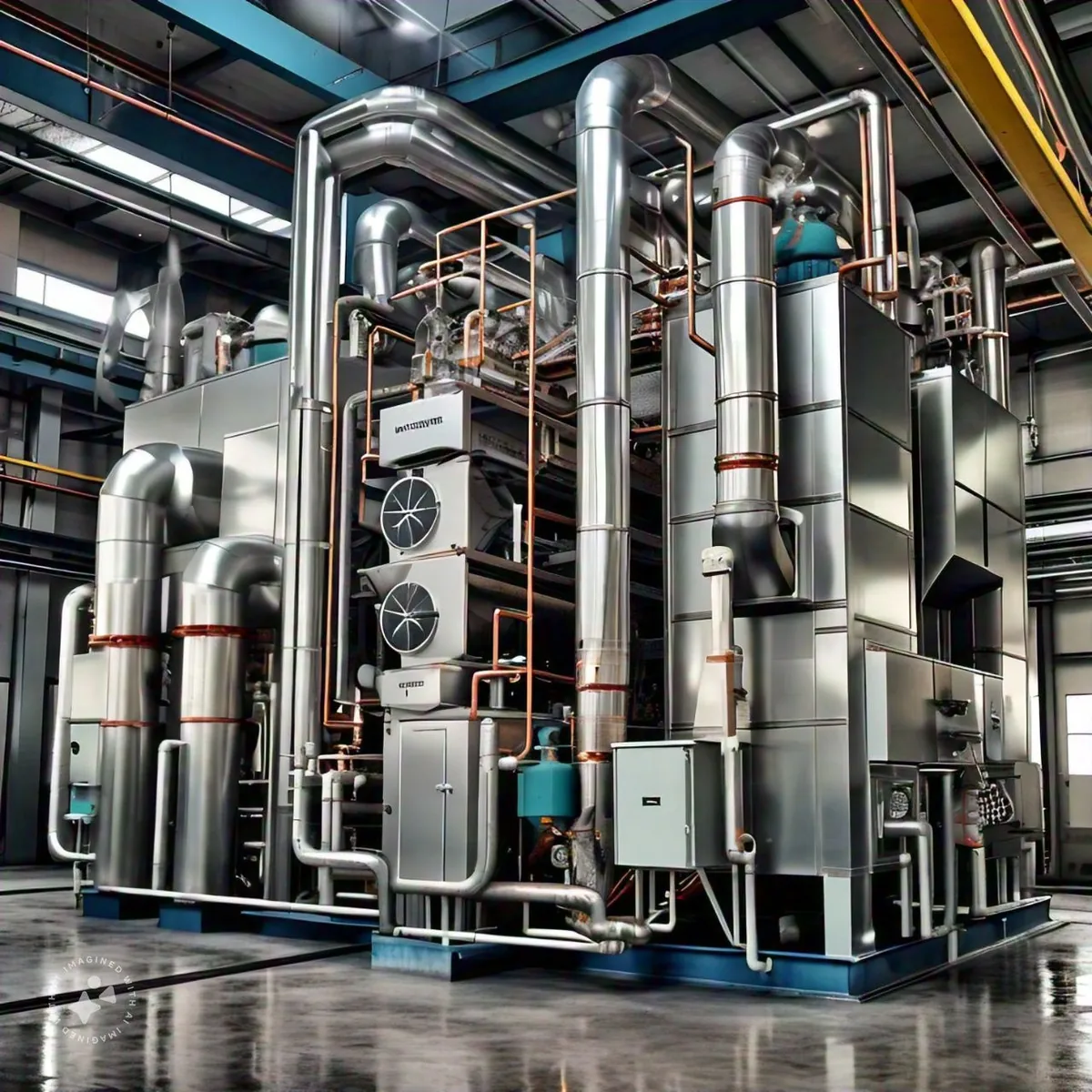
We repair and support heavy-duty refrigeration and freezer systems used in larger commercial and industrial settings.
We consider the full system from load and airflow to refrigeration plant and controls. We discuss repair priority around operating conditions and temperature-sensitive stock.
We assess the cause and recommend a practical route to restore dependable performance.
We assess the cause and recommend a practical route to restore dependable performance.
We assess the cause and recommend a practical route to restore dependable performance.
We assess the cause and recommend a practical route to restore dependable performance.
We start by understanding the symptoms and how the equipment is used. We check the relevant components, explain what needs attention and discuss the repair before proceeding. If installation or replacement is the more sensible option, we explain why.
We aim to leave you with an operating system you understand and a clear view of any maintenance that may help avoid repeat faults.
Explore local refrigeration service information across major commercial, industrial and residential areas.
Tell us about your equipment and the problem you're experiencing.
We assess the equipment, the fault and the operational requirements together. The following guidance explains how we approach service decisions and what customers can prepare before requesting assistance.
For Gauteng customers operating commercial sites with varied refrigeration duty and access constraints, plant controls can be as important as the fault first noticed on the temperature display. We distinguish the operating conditions from component failure before recommending a practical next step. In particular, compressor staging may change the interpretation of a complaint that initially sounds straightforward.
Consider how system protection affects the same system: it may alter cooling performance without producing an obvious single-component fault. This is why we ask for the equipment type, the timing of the problem and the site conditions. We do not treat every warm cabinet, frozen evaporator or alarm as proof that refrigerant is low.
For Gauteng customers operating commercial sites with varied refrigeration duty and access constraints, condenser heat rejection can be as important as the fault first noticed on the temperature display. We distinguish the operating conditions from component failure before recommending a practical next step. In particular, operating load may change the interpretation of a complaint that initially sounds straightforward.
Where condenser heat rejection and operating load are both possible, the correct investigation depends on the system configuration and the observations available on site. We avoid recommending unnecessary gas charging, component replacement or electrical adjustment without supporting evidence. Any suspected refrigerant loss requires leak investigation and the correct legal and technical handling.
For Gauteng customers operating commercial sites with varied refrigeration duty and access constraints, compressor staging can be as important as the fault first noticed on the temperature display. We distinguish the operating conditions from component failure before recommending a practical next step. In particular, system protection may change the interpretation of a complaint that initially sounds straightforward.
Consider how plant controls affects the same system: it may alter cooling performance without producing an obvious single-component fault. This is why we ask for the equipment type, the timing of the problem and the site conditions. We do not treat every warm cabinet, frozen evaporator or alarm as proof that refrigerant is low.
For Gauteng customers operating commercial sites with varied refrigeration duty and access constraints, operating load can be as important as the fault first noticed on the temperature display. We distinguish the operating conditions from component failure before recommending a practical next step. In particular, duty cycles may change the interpretation of a complaint that initially sounds straightforward.
Where operating load and duty cycles are both possible, the correct investigation depends on the system configuration and the observations available on site. We avoid recommending unnecessary gas charging, component replacement or electrical adjustment without supporting evidence. Any suspected refrigerant loss requires leak investigation and the correct legal and technical handling.
For Gauteng customers operating commercial sites with varied refrigeration duty and access constraints, system protection can be as important as the fault first noticed on the temperature display. We distinguish the operating conditions from component failure before recommending a practical next step. In particular, plant controls may change the interpretation of a complaint that initially sounds straightforward.
Consider how compressor staging affects the same system: it may alter cooling performance without producing an obvious single-component fault. This is why we ask for the equipment type, the timing of the problem and the site conditions. We do not treat every warm cabinet, frozen evaporator or alarm as proof that refrigerant is low.
For Gauteng customers operating commercial sites with varied refrigeration duty and access constraints, duty cycles can be as important as the fault first noticed on the temperature display. We distinguish the operating conditions from component failure before recommending a practical next step. In particular, condenser heat rejection may change the interpretation of a complaint that initially sounds straightforward.
Where duty cycles and condenser heat rejection are both possible, the correct investigation depends on the system configuration and the observations available on site. We avoid recommending unnecessary gas charging, component replacement or electrical adjustment without supporting evidence. Any suspected refrigerant loss requires leak investigation and the correct legal and technical handling.
Industrial refrigeration faults must be assessed against process demand, not just a single displayed cabinet temperature. Shift patterns, product loading, incoming material temperature and ambient plant-room conditions can all alter the refrigeration duty. We request information about normal operating conditions and recent process changes so that a recurring high-temperature alarm is not mistakenly attributed to one component without further checks.
Industrial installations may use staged compressors, multiple evaporators, supervisory controls and protective interlocks. The same symptom can arise from a failed sensor, inadequate heat rejection, incorrect sequencing or a genuine mechanical fault. We review available alarm histories, visual equipment condition and the relationship between plant demand and control response before outlining possible corrective work.
A breakdown can affect production schedules, product storage and downstream handling. We encourage facilities to implement their contingency procedures and avoid resetting protective trips repeatedly. Safe equipment isolation, access permissions and coordination with site operations are important before technical work begins. Where exact component availability is uncertain, the repair scope and associated downtime should be discussed clearly.
After repair or installation, appropriate commissioning records can help future diagnostics. Relevant observations may include product temperatures, controller settings, plant pressure trends, defrost schedules and operating-load conditions, subject to system design and authorised measurement methods. Reliable documentation also helps distinguish a new fault from a recurring issue that has not been fully resolved.
An industrial refrigeration visit benefits from accurate information about the current operating schedule and any changes to heat load, product throughput or plant alarms. We ask facilities to identify a responsible site contact, required isolation permissions, equipment access restrictions and any process areas that cannot be interrupted without coordination. Reports from the control system can help describe what occurred before a shutdown, but they should be interpreted alongside physical observations and maintenance history. We also discuss how a temporary reduction in capacity affects the production plan and whether the facility has documented contingency arrangements. Repair verification should consider behaviour under realistic process demand rather than assuming that a plant running briefly without alarms has fully recovered. These discussions support a clearer scope of work and more reliable follow-up decisions.
We work with domestic and commercial freezers for homes, shops and kitchens. If you are dealing with softening frozen goods, frost build-up, thermostat faults, fan failures or compressor-start problems, contact our team and explain what is happening. We'll discuss a practical way forward based on the equipment, the site and the fault.
We begin with what the equipment is doing now: temperature readings, start and stop behaviour, alarms, airflow and any recent changes. We examine the components linked to those symptoms so the proposed repair addresses the cause.
We discuss the findings and the work required, including whether servicing, part replacement or a wider repair is appropriate. When components need sourcing or the equipment needs further testing, we explain those steps before moving ahead.
Following agreed work, we check the relevant operation and controls. Cooling recovery can take time, particularly when stock, doors and room conditions affect the load, so we explain what to monitor after our visit.
Contact us with your area, make and model, and current symptoms. Protect temperature-sensitive food according to applicable food-safety guidance while arranging service.
We assess frost patterns, defrost controls, drainage, gaskets and airflow rather than treating every ice problem as a refrigerant issue.
Tell us your equipment, the problem and your location. We'll help you arrange the next step.