
Warm display shelves
We assess the cause and recommend a practical route to restore dependable performance.
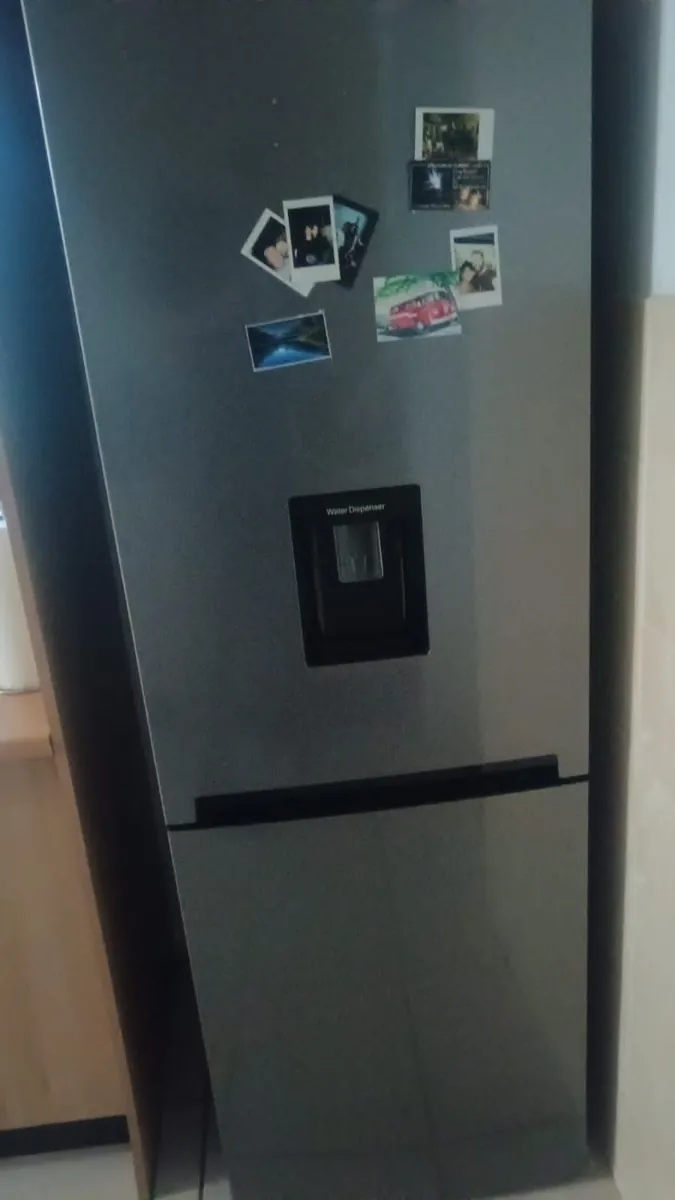
We repair refrigerators and freezers that are not cooling, leaking, icing up or making unusual noises. Our team identifies the cause, explains the repair and works to restore reliable cooling.
Tell us what needs attention. We’ll send your request to our service inbox and confirm it by email. For urgent assistance, call 070 332 5672.
Prefer to speak to us? Call 070 332 5672
We repair refrigerated display cabinets where presentation and consistent product temperature both matter.
We check air curtains, fans, coils, cabinet doors and temperature sensors as appropriate. Our priority is stable, practical cooling without unnecessary disruption to customer-facing areas.
We assess the cause and recommend a practical route to restore dependable performance.
We assess the cause and recommend a practical route to restore dependable performance.
We assess the cause and recommend a practical route to restore dependable performance.
We assess the cause and recommend a practical route to restore dependable performance.
We start by understanding the symptoms and how the equipment is used. We check the relevant components, explain what needs attention and discuss the repair before proceeding. If installation or replacement is the more sensible option, we explain why.
We aim to leave you with an operating system you understand and a clear view of any maintenance that may help avoid repeat faults.
Explore local refrigeration service information across major commercial, industrial and residential areas.
A display refrigerator must keep products at an appropriate temperature while allowing customers to see and access them. That creates operating conditions very different from those of a sealed household fridge. Large glass areas, frequent door opening, internal lighting, merchandising arrangements and airflow around shelves all affect performance. When we assess a display cabinet, we begin with the actual product-temperature concern, the style of cabinet, its use during trading hours and the way stock is arranged. An apparently cold air reading is not by itself evidence that the products are being kept within the required range. We look for warm zones, obstructed air passages, abnormal cycling and signs that the cabinet is working harder than it should. The correct repair should restore stable, usable refrigeration rather than merely produce a colder reading beside an air outlet. The target temperature must be appropriate to the goods and applicable food-safety requirements; we do not assume one setting fits every cabinet.
An open-front multideck cabinet relies on a carefully maintained air curtain. Air discharged near the top must travel across the open display and return without being disrupted by blocked grilles, shelf overloading or strong draughts from nearby entrances and ventilation systems. A glass-door cabinet, by contrast, depends more heavily on intact seals, door alignment and reliable closure. We distinguish these designs before deciding whether a temperature problem is caused by refrigeration components or the conditions around the cabinet. A fan may be running while airflow is still insufficient; a door may appear closed while a distorted gasket admits warm humid air. We examine the practical operating layout as well as the machinery. Moving a cabinet, loading products beyond the manufacturer's permitted limits or directing hot air toward its condenser can undo even a technically correct repair.
When customers report inconsistent cooling, a lone reading from the digital controller may not tell the whole story. The displayed number may represent a sensor position that is not the warmest part of the stocked space. We consider how the temperature changes during compressor operation, defrost cycles and peak customer activity. Where appropriate, repeated readings at relevant points can reveal whether the fault is intermittent, position-specific or related to load. We also ask whether the unit was recently restocked with warm products, moved, cleaned or switched off, because those events change the picture. We explain what the recorded observations suggest, which checks remain necessary and what result would demonstrate successful repair. For temperature-sensitive stock, customers should follow the relevant safety procedures instead of relying on our equipment diagnosis as a food-safety clearance.
Ice accumulation on an evaporator does not necessarily mean that more refrigerant is needed. It can arise from defrost-heater faults, incorrect timing, faulty sensors, restricted airflow, frequent humid-air ingress or other control problems. An iced coil can gradually starve the display of cool air even while the compressor operates. We examine the location and pattern of frost, whether the evaporator fans run as intended and whether defrost occurs in accordance with the equipment design. Switching the unit off may melt visible ice temporarily but leaves the underlying cause unresolved. A useful repair addresses the reason the coil is freezing or failing to clear. We also check whether meltwater can drain properly. Repeated ice buildup can damage stock presentation, reduce sales capacity and create floor-water hazards around busy retail cabinets.
Display refrigeration often works in crowded trading spaces with limited rear ventilation, dust, packaging debris and heat from nearby equipment. A condenser unable to reject heat efficiently may cause longer compressor run times, high-temperature alarms and accelerated component wear. We inspect accessible condenser surfaces, fans and surrounding clearance before assuming a sealed-system fault. Cleaning must be appropriate to the type of coil and electrical arrangements; forceful methods can damage delicate fins or wet unsuitable components. We also assess whether the cabinet's installation position allows heat to escape. A unit that is pushed tightly against a wall or built into cabinetry without suitable ventilation can repeatedly overheat. We explain practical changes the operator can make, such as keeping specified openings clear, without promising that cleaning alone will resolve every cooling complaint.
Evaporator fans are central to maintaining even air distribution in many display cabinets. A fan with worn bearings, intermittent power or ice obstruction may move too little air despite appearing to spin. Product cartons or promotional displays placed across return-air openings can have a similar effect. We check fan operation, unusual noises, airflow restrictions and the arrangement of stocked shelves. Sometimes the corrective action is an electrical or mechanical repair; sometimes it involves changing an operating practice that repeatedly creates the fault. We avoid describing an airflow problem as a compressor failure without evidence. During diagnosis we also consider whether the cabinet is intended for chilled food, beverages or another product class, because airflow arrangement and permitted loading may differ. The result should be better temperature consistency across the usable merchandising area.
Modern cabinets may rely on electronic controllers, temperature probes, pressure protection, fan relays and programmable defrost functions. An alarm can indicate a genuine temperature excursion, a failed sensor or an interrupted sequence, and those conditions require different responses. We check what the controller is sensing, compare its indication with an independent measurement where appropriate and examine the equipment's operating sequence. A displayed alarm should not be cleared merely to silence it while the cause remains active. Electrical work must be performed safely with the appropriate isolation and competence. We explain which component or condition appears responsible and whether replacing a probe or control device is more sensible than replacing a major mechanical assembly. Where a cabinet has previously been modified, we consider the implications of incompatible controls and non-original wiring.
A display refrigerator that gradually loses cooling capacity may have a refrigerant leak, but similar symptoms can follow from airflow, condenser or control problems. Refrigerant charging is not a substitute for diagnosis. If loss of charge is suspected, the system needs a suitable leak investigation, repair where practicable and charging procedures that match the installed refrigerant and manufacturer's requirements. We do not advocate repeated gas top-ups that allow refrigerant to escape again. Cabinet models can use different refrigerants, and some modern systems use flammable refrigerants that require particular handling precautions and competent technicians. We discuss the feasibility of repairing a leak in the accessible pipework, evaporator or condenser against the age and condition of the unit. A pressure or temperature symptom alone cannot establish the correct charge amount.
A retail display cabinet is part of the sales environment, so repairs need to account for trading, customer access and stock protection. We ask whether the problem affects one cabinet or an entire group supplied by shared equipment, what stock is at risk and whether the unit can be safely isolated. For a single self-contained cabinet, access to the condenser and electrical components may be the main issue. For a remote system, the diagnosis can involve a central rack, pipework and control coordination. Customers should identify where affected stock can be moved while repairs are underway. We aim to communicate what checks are needed and whether a short intervention, parts repair or longer system assessment is likely. We do not promise that all repairs can happen without downtime; the safety of personnel and stock takes priority.
A useful enquiry includes the cabinet make and model if available, whether it is open-front or glass-door, the displayed temperature, the approximate product temperature and the duration of the fault. It also helps to describe whether the compressor runs, whether the fans operate, whether ice or water appears and whether alarms are visible. Photographs of the whole cabinet, rating plate and controller can make the equipment type clearer, although they do not replace diagnostic testing. We also need the Gauteng location, access restrictions and whether the cabinet uses a remote condensing unit. Please do not dismantle electrical panels or handle refrigerant to gather information. We can use these initial details to discuss the appropriate service enquiry, explain what checks are likely to matter and avoid treating every warm cabinet as the same problem.
The best long-term decision depends on the age of the cabinet, the condition of its insulation and doors, the availability of replacement parts and the likelihood of recurrent faults. A fan motor or controller may be economical to replace while a badly corroded evaporator or inaccessible leak may make the decision more complicated. We explain repair options in relation to the unit's intended use and operating demands, rather than automatically proposing a complete new cabinet. Planned servicing can include condenser inspection, fan checks, drain cleaning, seal condition and confirmation that controls are behaving as intended. These checks reduce avoidable failures but cannot eliminate every breakdown. A well-documented maintenance history also helps identify repeated issues and make future repair decisions with better information.
Display cases need to remain attractive to shoppers while maintaining suitable conditions for their contents. Damaged glass, failed door heaters where installed, excessive condensation, broken lights or deteriorated shelf fittings can affect merchandising and also indicate broader maintenance concerns. We separate appearance and usability problems from refrigeration faults so the repair discussion is accurate. Condensation on the exterior can arise from humidity and cabinet conditions, whereas fogging within a glazing assembly may point to a different defect. Lighting repairs should account for compatible components, heat generation and electrical safety. We encourage operators to describe whether the cabinet is structurally sound, whether hinges and runners work properly, and whether shelves are stable, in addition to describing temperature symptoms. When several defects exist, we can discuss which matters are urgent for safe use and which are suitable for planned maintenance. The appropriate action depends on the unit design, not an assumed universal replacement part.
We handle fridge enquiries in Gauteng by starting with the equipment, its role and the reported symptom—not with a preselected replacement part. A complaint such as “not getting cold” can involve airflow, controls, heat rejection, power supply or refrigerant-circuit performance. We want to understand what changed, when it changed, and how the system behaved beforehand.
For staff facilities in Gauteng, the practical priority is often to understand whether temperature control has failed entirely or whether performance has declined under a particular operating load. We consider that distinction when discussing repair options. A technician may need to inspect the installation and measure relevant conditions before identifying the cause.
We recommend preparing the model number, any fault codes, operating temperature and a description of recent changes. This helps us plan the correct fridge assessment and avoids promising a repair outcome before inspection.
When customers in Gauteng report refrigerators that trip on restart or after a power interruption, we do not assume a single cause. A thermometer reading taken near a door is not the same as the temperature of products deeper in the cabinet. We check the set point, probe position, loading pattern and whether warm stock was recently introduced. The interpretation depends on equipment design, usage and the information available at inspection.
Our assessment of cabinet temperature and sensor readings also considers what happened immediately before the fault appeared. Changes in stock loading, cleaning routines, electrical supply or operating hours can help distinguish an intermittent fault from a persistent mechanical issue. We explain which observations are useful and which conclusions require measurement.
After corrective work, performance should be checked under relevant conditions. We explain what the customer can monitor afterward—for example, temperature trends, unusual noise, recurring alarms or door performance—so a continuing issue is identified promptly.
When customers in Gauteng report fridges that run constantly without reaching set temperature, we do not assume a single cause. A door that fails to close squarely allows humid air to enter, increasing frost and compressor running time. We inspect the gasket, hinges, cabinet alignment and signs of condensation before discussing replacement parts. The interpretation depends on equipment design, usage and the information available at inspection.
Our assessment of door seals, hinges and air infiltration also considers what happened immediately before the fault appeared. Changes in stock loading, cleaning routines, electrical supply or operating hours can help distinguish an intermittent fault from a persistent mechanical issue. We explain which observations are useful and which conclusions require measurement.
When customers in Gauteng report units that alternate between normal cooling and warmer readings, we do not assume a single cause. Cooling may be available at the evaporator yet fail to reach stored products if fans, ducts or shelving obstruct circulation. We assess fan operation, frost build-up and safe clearance around the air path. The interpretation depends on equipment design, usage and the information available at inspection.
Our assessment of evaporator airflow and fan function also considers what happened immediately before the fault appeared. Changes in stock loading, cleaning routines, electrical supply or operating hours can help distinguish an intermittent fault from a persistent mechanical issue. We explain which observations are useful and which conclusions require measurement.
When customers in Gauteng report cabinets with door condensation and inconsistent shelf temperatures, we do not assume a single cause. A cabinet in a tight recess can struggle to reject heat, especially in a warm working area. We assess dust build-up, fan operation and surrounding ventilation before suspecting refrigerant loss. The interpretation depends on equipment design, usage and the information available at inspection.
Our assessment of condenser temperature and ventilation also considers what happened immediately before the fault appeared. Changes in stock loading, cleaning routines, electrical supply or operating hours can help distinguish an intermittent fault from a persistent mechanical issue. We explain which observations are useful and which conclusions require measurement.
When customers in Gauteng report refrigerators that trip on restart or after a power interruption, we do not assume a single cause. Intermittent start-up or repeated tripping requires systematic checks rather than immediate compressor replacement. We consider supply conditions, controls, wiring and motor protection with appropriate electrical safety measures. The interpretation depends on equipment design, usage and the information available at inspection.
Our assessment of electrical controls and start components also considers what happened immediately before the fault appeared. Changes in stock loading, cleaning routines, electrical supply or operating hours can help distinguish an intermittent fault from a persistent mechanical issue. We explain which observations are useful and which conclusions require measurement.
We ask customers to describe the equipment and its setting. A fridge fault in a homes may have a different impact from a similar symptom in a offices. Information about product type, equipment age, accessibility and whether the unit is completely out of service helps us understand the enquiry.
Use the booking form above to outline your requirements. You can also call or send a WhatsApp message to 070 332 5672. A service request is an enquiry until it has been received and confirmed.
We recommend matching routine maintenance to the type of system, its usage and the manufacturer’s instructions. In hospitality kitchens, predictable cooling matters because even a short interruption may disrupt operations. The appropriate tasks and frequency depend on actual equipment rather than a blanket interval quoted for every installation.
Useful maintenance records include temperature trends, alarm history, abnormal noise, condenser cleaning, door condition, drainage and previous repairs. Those records help identify whether a repeated shutdown is an unresolved fault or a new issue.
DETAILED SERVICE GUIDANCE
Display-fridge lighting, ambient heat and door use can alter product temperature and energy demand. We assess equipment placement and airflow alongside refrigeration controls. Failed display lighting is not always tied to cooling failure, so symptoms should be isolated before parts are replaced.
Blocked condenser fins reduce airflow, yet aggressive cleaning can bend fins and damage fragile pipework. We explain appropriate maintenance intervals based on dust exposure and cabinet design, while reserving electrical and sealed-system work for competent technicians.
For display fridge performance and merchandising, we start with the equipment model, fault history and what has changed in its operation. We then distinguish safe observations a customer can provide from checks that need a technician, and explain the likely repair scope only after the cause is established. If refrigeration performance threatens stored food or a production process, protect the stock and contact us on 070 332 5672. A clear account of the symptoms, location and equipment type helps us arrange the appropriate service discussion.
We work with fridges, upright refrigerators and refrigeration cabinets for homes, hospitality venues and retail operations. If you are dealing with poor cooling, unusual noises, water leaks, defrost faults or a compressor that will not start, contact our team and explain what is happening. We'll discuss a practical way forward based on the equipment, the site and the fault.
We begin with what the equipment is doing now: temperature readings, start and stop behaviour, alarms, airflow and any recent changes. We examine the components linked to those symptoms so the proposed repair addresses the cause.
We discuss the findings and the work required, including whether servicing, part replacement or a wider repair is appropriate. When components need sourcing or the equipment needs further testing, we explain those steps before moving ahead.
Following agreed work, we check the relevant operation and controls. Cooling recovery can take time, particularly when stock, doors and room conditions affect the load, so we explain what to monitor after our visit.
We assess airflow, condenser condition, thermostat controls, fans, starting components and the refrigeration circuit to establish the likely fault.
We handle enquiries for household refrigerators and commercial cooling equipment. Send the make, model and your area to confirm the appropriate service.
Tell us your equipment, the problem and your location. We'll help you arrange the next step.
Tell us about your equipment and the problem you're experiencing.