
We find the fault
We begin with what the equipment is doing now: temperature readings, start and stop behaviour, alarms, airflow and any recent changes. We examine the components linked to those symptoms so the proposed repair addresses the cause.
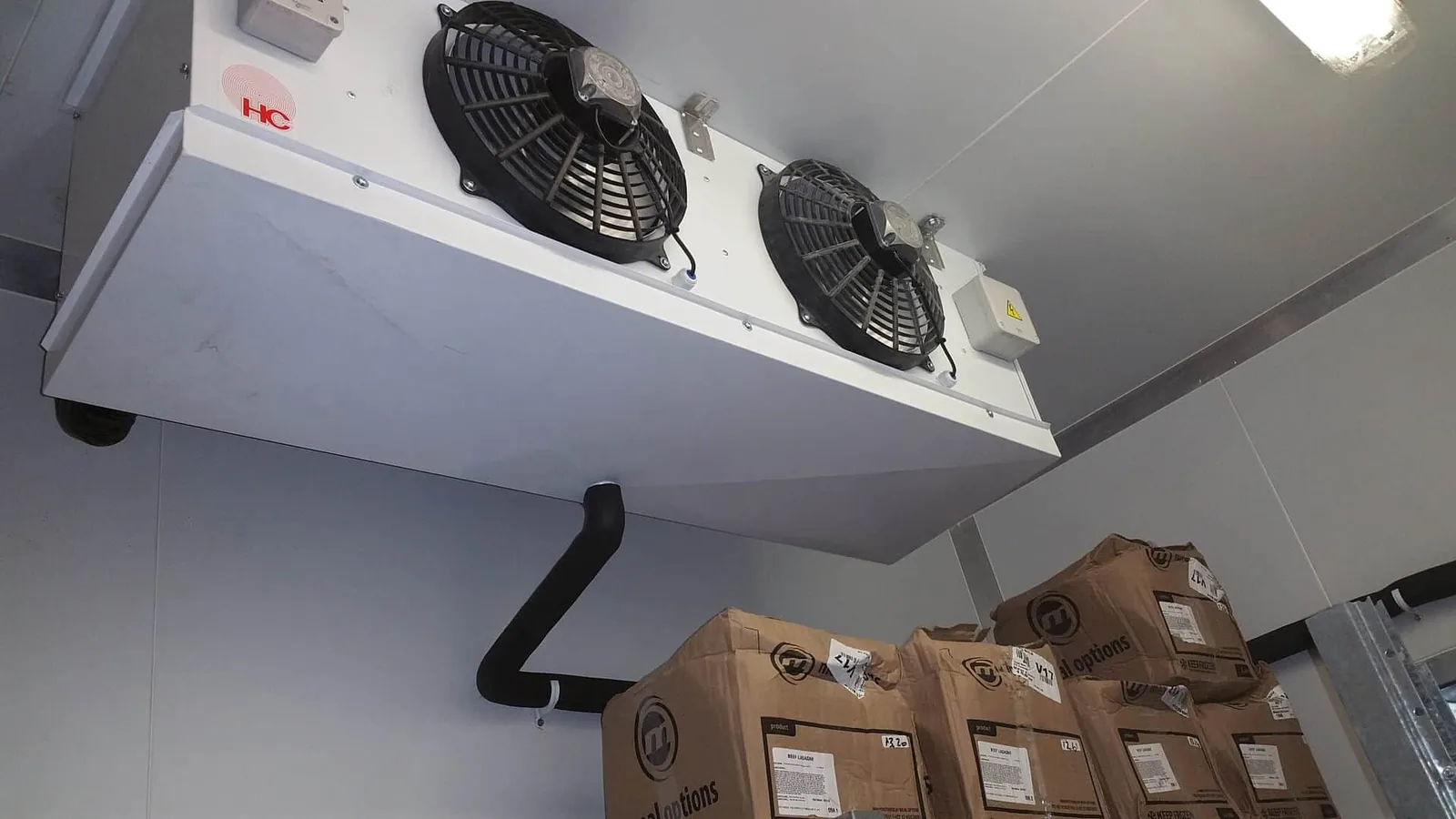
We repair and service commercial and industrial chillers, tackling circulation faults, cooling failures, system alarms and compressor problems to help get your equipment back into operation.
Tell us what needs attention. We’ll send your request to our service inbox and confirm it by email. For urgent assistance, call 070 332 5672.
Prefer to speak to us? Call 070 332 5672
We handle chiller enquiries in Germiston by starting with the equipment, its role and the reported symptom—not with a preselected replacement part. A complaint such as “not getting cold” can involve airflow, controls, heat rejection, power supply or refrigerant-circuit performance. We want to understand what changed, when it changed, and how the system behaved beforehand.
For equipment rooms in Germiston, the practical priority is often to understand whether temperature control has failed entirely or whether performance has declined under a particular operating load. We consider that distinction when discussing repair options. A technician may need to inspect the installation and measure relevant conditions before identifying the cause.
We recommend preparing the model number, any fault codes, operating temperature and a description of recent changes. This helps us plan the correct chiller assessment and avoids promising a repair outcome before inspection.
When customers in Germiston report intermittent pump or sensor faults, we do not assume a single cause. Cooling demand changes with production cycles, inlet water temperature and equipment utilisation. A meaningful fault assessment starts with the process requirements and the trend that preceded the alarm. The interpretation depends on equipment design, usage and the information available at inspection.
Our assessment of process demand and operating load also considers what happened immediately before the fault appeared. Changes in stock loading, cleaning routines, electrical supply or operating hours can help distinguish an intermittent fault from a persistent mechanical issue. We explain which observations are useful and which conclusions require measurement.
After corrective work, performance should be checked under relevant conditions. We explain what the customer can monitor afterward—for example, temperature trends, unusual noise, recurring alarms or door performance—so a continuing issue is identified promptly.
When customers in Germiston report high-pressure shutdowns during heavy production, we do not assume a single cause. Restricted strainers, failing pumps or insufficient flow can create low-temperature protection trips. We review flow indication, available strainers, pump behaviour and safe isolation requirements. The interpretation depends on equipment design, usage and the information available at inspection.
Our assessment of circulation and differential pressure also considers what happened immediately before the fault appeared. Changes in stock loading, cleaning routines, electrical supply or operating hours can help distinguish an intermittent fault from a persistent mechanical issue. We explain which observations are useful and which conclusions require measurement.
When customers in Germiston report low-flow alarms after process changes, we do not assume a single cause. Air-cooled condenser fouling and water-cooled heat rejection problems must be investigated differently. We check installation environment, airflow or water-side conditions and the equipment control sequence. The interpretation depends on equipment design, usage and the information available at inspection.
Our assessment of condenser heat rejection also considers what happened immediately before the fault appeared. Changes in stock loading, cleaning routines, electrical supply or operating hours can help distinguish an intermittent fault from a persistent mechanical issue. We explain which observations are useful and which conclusions require measurement.
When customers in Germiston report poor leaving-water temperature under peak demand, we do not assume a single cause. Resetting a trip without understanding its cause can create recurring interruptions. We capture alarm histories, sensor readings and start-stop sequences before determining next steps. The interpretation depends on equipment design, usage and the information available at inspection.
Our assessment of controls and protection alarms also considers what happened immediately before the fault appeared. Changes in stock loading, cleaning routines, electrical supply or operating hours can help distinguish an intermittent fault from a persistent mechanical issue. We explain which observations are useful and which conclusions require measurement.
When customers in Germiston report intermittent pump or sensor faults, we do not assume a single cause. Poor circulation through an evaporator can leave a chiller vulnerable to freezing even when the refrigeration circuit is operating. We assess protective controls and load conditions. The interpretation depends on equipment design, usage and the information available at inspection.
Our assessment of heat exchangers and freezing risk also considers what happened immediately before the fault appeared. Changes in stock loading, cleaning routines, electrical supply or operating hours can help distinguish an intermittent fault from a persistent mechanical issue. We explain which observations are useful and which conclusions require measurement.
We ask customers to describe the equipment and its setting. A chiller fault in a production facilities may have a different impact from a similar symptom in a process plants. Information about product type, equipment age, accessibility and whether the unit is completely out of service helps us understand the enquiry.
For installations or recurring breakdowns around Germiston, useful details include service access, ventilation around equipment, drainage, loading patterns and any recent modifications. Our goal is to investigate the operating conditions that influence long-term reliability, not simply treat one symptom in isolation.
Use the booking form above to outline your requirements. You can also call or send a WhatsApp message to 070 332 5672. A service request is an enquiry until it has been received and confirmed.
We recommend matching routine maintenance to the type of system, its usage and the manufacturer’s instructions. In commercial buildings, predictable cooling matters because even a short interruption may disrupt operations. The appropriate tasks and frequency depend on actual equipment rather than a blanket interval quoted for every installation.
Useful maintenance records include temperature trends, alarm history, abnormal noise, condenser cleaning, door condition, drainage and previous repairs. Those records help identify whether a repeated shutdown is an unresolved fault or a new issue.
DETAILED SERVICE GUIDANCE
Industrial cooling loops can accumulate debris and deposits that restrict heat transfer. A chiller that runs continuously may have a healthy refrigeration circuit but poor water-side performance. We compare temperature differentials and serviceable strainer conditions before proposing compressor work.
Where machinery runs intermittently, cooling loads can change quickly. We examine control deadbands, buffer volume, sensor position and pump sequence to establish whether frequent starting is driven by controls or by an actual fault. Repeated starting increases wear and should be assessed before components fail.
For industrial chiller troubleshooting in germiston, we start with the equipment model, fault history and what has changed in its operation. We then distinguish safe observations a customer can provide from checks that need a technician, and explain the likely repair scope only after the cause is established. If refrigeration performance threatens stored food or a production process, protect the stock and contact us on 070 332 5672. A clear account of the symptoms, location and equipment type helps us arrange the appropriate service discussion.
We work with commercial and process chillers for offices, facilities, production sites and chilled-water systems. If you are dealing with high-pressure trips, low-flow alarms, loss of cooling capacity or control faults, contact our team and explain what is happening. We'll discuss a practical way forward based on the equipment, the site and the fault.
We begin with what the equipment is doing now: temperature readings, start and stop behaviour, alarms, airflow and any recent changes. We examine the components linked to those symptoms so the proposed repair addresses the cause.
We discuss the findings and the work required, including whether servicing, part replacement or a wider repair is appropriate. When components need sourcing or the equipment needs further testing, we explain those steps before moving ahead.
Following agreed work, we check the relevant operation and controls. Cooling recovery can take time, particularly when stock, doors and room conditions affect the load, so we explain what to monitor after our visit.
Provide the make, model, error codes, supply and return temperatures, and whether the fault appears on startup or after running.
Yes. We can review your equipment and operating conditions before discussing a suitable inspection and maintenance scope.
Tell us your equipment, the problem and your location. We'll help you arrange the next step.
We work on chillers showing poor temperature control, shutdown alarms, abnormal vibration or unstable cooling. Our service is guided by the equipment type, load and the operational impact of the breakdown.
We consider the cooling circuit together with pumps, water flow, filters, sensors and controls where applicable. A recurring alarm can be caused by a different problem from a failed component, so we establish the reason for the shutdown before recommending work.
We can discuss planned service inspections, cleaning and condition checks appropriate to your chiller. Share the model and fault code when booking so we can prepare for the visit.
Tell us about your equipment and the problem you're experiencing.